Additional Services
Go beyond the standard inspection with our expanded service options.

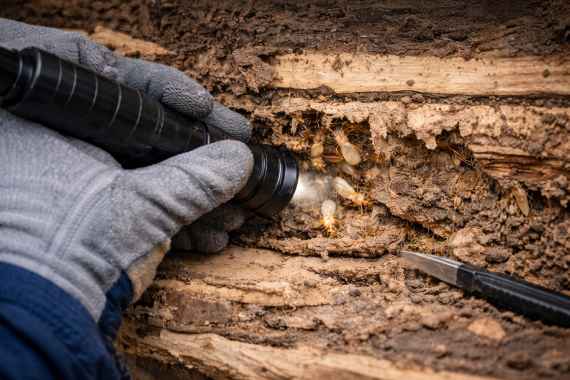
A termite inspection helps identify evidence of wood-destroying organisms, including termites and other pests that may cause structural damage over time. During the inspection, the specialist will evaluate accessible areas of the home such as the foundation, crawlspace, garage, and exterior perimeter for signs of infestation or past activity.
We coordinate termite inspections with trusted local pest control specialists who focus specifically on this type of evaluation. Their inspection fee is included on our invoice for your convenience, helping streamline the process during your home inspection period.
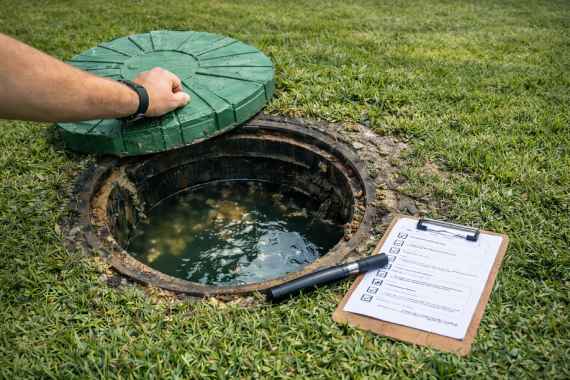
Homes with septic systems require specialized inspections to assess the condition and function of the system. A septic inspection typically includes evaluating the tank, distribution components, drain field area, and system performance. In many cases, the inspection may also involve opening the tank and checking for proper levels and signs of potential failure.
We coordinate septic inspections through experienced local septic professionals. Their service fee is included on our invoice so you can schedule everything through one point of contact.
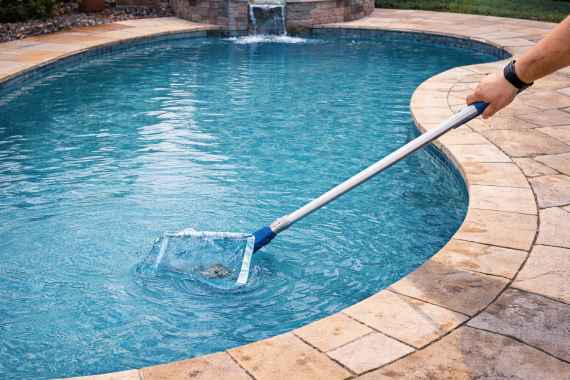
A pool inspection provides an overview of the visible condition and basic operation of the pool or spa system. This may include evaluating the pool structure, deck area, pumps, filters, heaters, safety features, and accessible components for signs of damage or improper function.
Because pools require specialized expertise, we coordinate pool inspections with qualified local pool professionals. Their inspection fee is included on our invoice, making it easy to include this service as part of your overall inspection package.
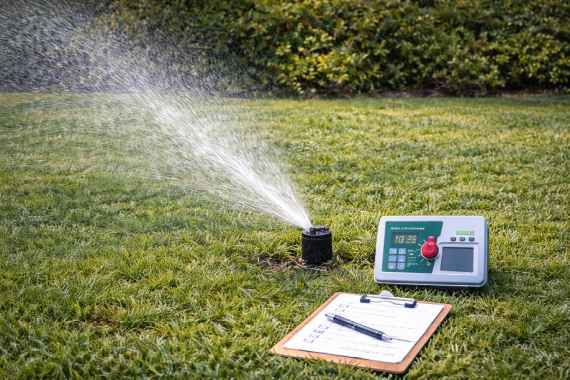
A sprinkler system inspection evaluates the operation and condition of the irrigation system serving the property. This includes locating the main shut off and back flow devices, operating the system timer, running zones, checking sprinkler heads, assessing coverage, and identifying leaks, broken components, or improper water pressure.
Our team performs sprinkler system inspections to help ensure the irrigation system is functioning properly and to identify potential repairs or maintenance needs.
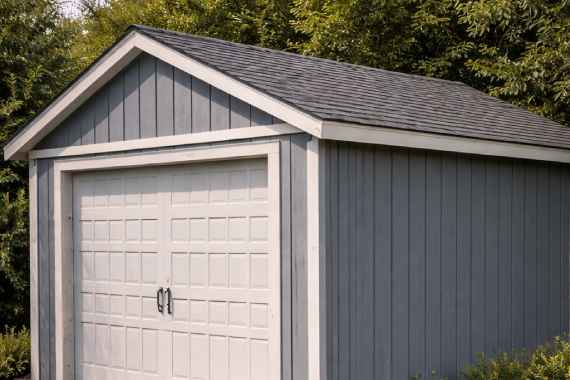
Detached buildings such as garages, workshops, sheds, or guest houses can have their own structural, electrical, and roofing concerns. A detached building inspection provides an assessment of the visible condition of these structures, including major components and safety concerns.
We perform detached building inspections to give you a more complete understanding of the entire property beyond the main home.
A mold inspection is designed to identify signs of microbial growth and conditions that may contribute to mold development, such as excess moisture or water intrusion. Our mold inspection evaluates the indoor air quality through a series of mold spore tests. These tests are analyzed in a lab and a detailed report is produced that identifies the type and concentration level of all mold spores found in the samples and whether any of the indoor samples would be considered elevated when compared to a control sample.
Our mold inspections help provide clarity when mold is suspected and can assist in determining whether further remediation or evaluation is necessary.
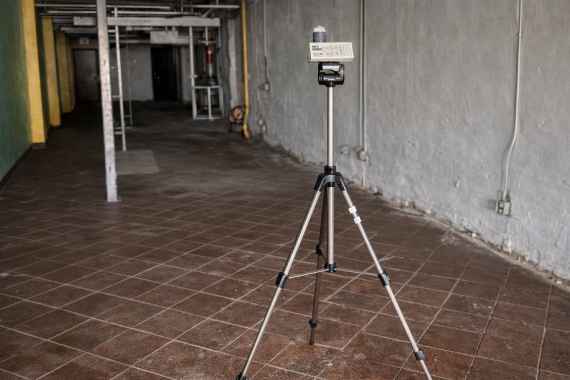
Radon is a colorless, odorless radioactive gas originating from the decay of uranium in soil and rock that can infiltrate homes and poses serious health risks, including lung cancer.
Health risks of radon are significant, as it is the second leading cause of lung cancer after smoking, causing approximately 21,000 lung cancer deaths annually in the US, with risks increasing with radon levels and exposure duration.
We provide professional radon testing services using industry-standard equipment to evaluate radon levels in the home and help determine whether mitigation may be recommended.
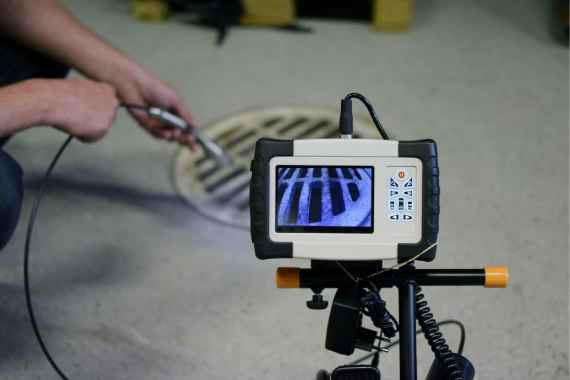
A sewer scope inspection involves using a specialized camera to evaluate the condition of the main sewer line from the home to the municipal connection or septic tank (up to 100 ft). This inspection can help identify issues such as blockages, root intrusion, cracks, or deteriorated piping.
We perform sewer scope inspections to provide valuable insight into the condition of an often-overlooked but critical underground component.
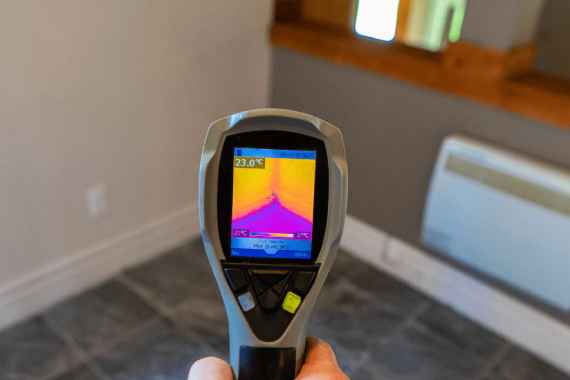
Thermal imaging inspections use infrared technology to detect temperature differences in building materials. This can help identify areas of missing insulation, moisture intrusion, overheating electrical components, or other hidden concerns that may not be visible during a standard inspection.
Our thermal scan inspections provide an added layer of information and can help uncover potential issues early in the process.

Is a home seller leaving their appliances behind? If so, have the pros at Inspection Brothers LLC check them out for you. You can count on us to keep you informed about appliance recalls after the inspection, too. We stay up-to-date on all recalls. We’ll send you a monthly email with updates so that you can make sure the appliances in your home are safe to operate.

service@inspection-brothers.com
918-416-9050
Office Hours
Monday – Friday 8:00 – 5:00
We love hearing from you anytime!
Call or email us if you have any questions or use the online scheduler to set up a home inspection.